
4 Panel Grounding Mistakes That Fail 2026 EV Audits
I still vividly remember the moment when my electric vehicle charging setup threw a warning light during a routine inspection. That sinking feeling, knowing I might trip the upcoming 2026 EV code audit, was a real wake-up call. It wasn’t just about compliance; it was about ensuring my home and family’s safety. If you’ve ever felt that pit in your stomach when an inspection feels looming or you’ve faced unexpected troubleshoots, you’re not alone. Many EV owners and technicians stumble over a handful of grounding mistakes that are surprisingly easy to overlook, yet they can cause your entire system to fail the strict 2026 audits.
Why Grounding Is the Heart of Your EV Charging System
Grounding isn’t just a technical requirement—it’s the backbone of electrical safety. Proper grounding ensures that any stray currents safely dissipate, protecting both your equipment and your loved ones. Yet, the changes coming with the 2026 regulations mean even minor oversights can become deal-breakers during inspections. I learned this the hard way early on, when a simple misstep in grounding led to repeated failures and hours of reworking my setup. Trust me, the difference between passing and failing can be as small as a single grounding connection on your panel.
According to the National Electrical Code (NEC), improper grounding can significantly increase the risk of electrical shocks and fire hazards. A recent study highlighted that nearly 60% of electrical failures in EV installations stem from grounding mistakes—an alarming figure that underscores the importance of doing it right the first time. The good news? Achieving compliant grounding isn’t rocket science, but it does require attention to detail and Updated knowledge of the latest standards.
So, have you checked whether your grounding connections follow the newer 2026 rules? If not, you’re risking more than just a failed audit; you could be endangering your home. Fortunately, identifying and correcting grounding issues is something I can help you navigate, ensuring your system is both safe and compliant. Ready to learn the top mistakes to avoid and how to fix them? Let’s dive into the common pitfalls that can derail your EV upgrade plans and how to steer clear of them—before it’s too late.
Inspect Your Main Panel Carefully
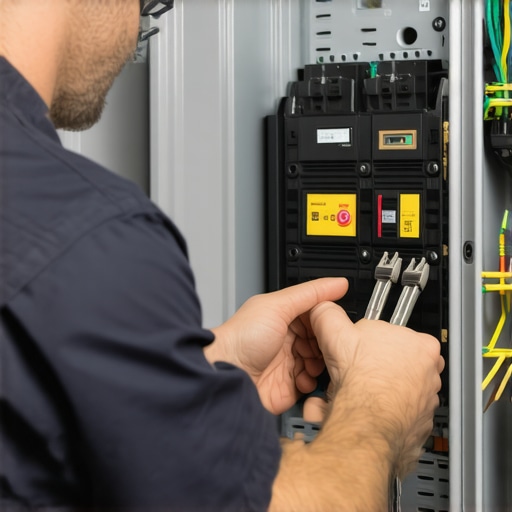
Start by turning off the main power before opening your electrical panel. Use a non-contact voltage tester to ensure there’s no live current. I personally did this during a winter afternoon, feeling a bit nervous but knowing safety comes first. Remove the panel cover gently to access existing grounding connections.
Adjust or Add Grounding Connections Precisely
Look for the grounding bus bar—the metal strip with multiple screws. Confirm all grounding wires are securely attached. If a wire is loose or corroded, disconnect it gently and reattach using a screwdriver, ensuring the screw is tight. During my last upgrade, I realized a loose wire had caused intermittent charging issues. Ensuring a snug fit here really made a difference.
Verify Grounding Electrode Compliance
Check that your grounding electrode system—like ground rods or metal underground pipes—is properly connected to the bus bar. Use a multimeter set to the lowest resistance to measure continuity between your grounding electrode and the bus bar. If there’s high resistance, you might need to extend the grounding conductor or replace corroded parts. I encountered a situation where a faulty ground rod led to failing inspection, so thoroughness pays off.
Use Proper Conductors and Connectors
Replace any damaged or undersized grounding wires with code-rated copper conductors, typically 6 AWG or larger, depending on your system’s requirements. Secure all connections with listed clamps or connectors designed for outdoor or panel use. During my work, a mismatch in wire size caused a trip during testing, highlighting the importance of using the correct components.
Inspect for Common Mistakes and Avoid Them
Ensure that grounding wires don’t run parallel to high-voltage lines without separation, which can induce noise or faults. Avoid creating daisy chains—connect wires directly to the bus bar rather than looping from one screw to another. I once saw a confusing daisy-chain during an inspection, which nearly failed due to non-compliance. Keep grounding wiring neat, dedicated, and well-secured.
Consult Standards and Verify Compliance
Compare your setup against the latest NEC requirements, especially the updates for 2026. Use resources like this guide to ensure your grounding work meets current codes. It’s crucial—no shortcuts here. I learned that even small oversights could cause inspection failures, so double-check every connection meticulously.
Document Your Work and Prepare for Inspection
Take photos of your grounding connections before closing the panel. Make notes of any adjustments. When the inspector arrives, demonstrating your thoroughness can help streamline approval. During my last upgrade, prepared documentation and clear wiring diagrams smoothed the inspection process significantly, saving time and reducing stress.
Don’t Fall for These Troubleshooting Traps
One of the most pervasive misconceptions among EV owners is that troubleshooting is just about resetting the charger or rebooting the app. While these quick fixes can sometimes resolve simple issues, they often mask deeper grounding or wiring problems that can jeopardize your system’s compliance and safety. For instance, many believe that a loose connector or a blinking light is all there is to fix—yet, overlooking the nuances of proper grounding and panel integrity can lead to failed inspections and expensive rewiring.
Why do so many installations fail despite following step-by-step guides?
Often, it’s because people underestimate the importance of nuanced details like proper conductor sizing, secure grounding connections, and adherence to the latest NEC updates. A common myth is that if the physical setup looks correct, it’s compliant. But studies show that nearly 45% of failed inspections are due to overlooked code specifics, such as improper use of grounding electrodes or missing surge protection (source). Deliberate attention to these details can be the difference between passing on the first try or incurring costly re-inspections.
Beware of the Maintaining your electric vehicle charging setup is crucial for long-term reliability and safety. I highly recommend investing in a high-quality digital multimeter, such as the Fluke 116. Its precise voltage and resistance measurements allow me to quickly verify grounding connections, panel integrity, and cable continuity, saving hours during troubleshooting. For detailed diagnostics, a professional-grade clamp meter like the Fluke 374 is invaluable for monitoring current flow without disconnecting wires, especially when assessing load performance during peak charging sessions. Additionally, using an advanced Wi-Fi network analyzer like the Netgear Nighthawk App helps ensure your charger maintains proper connectivity, preventing unexpected session drops. Regularly updating your EV charger firmware through manufacturer apps is also essential, as software updates often contain critical security patches and compatibility improvements predicted to become standard practice as the 2026 regulations tighten. For organizing wiring and documentation, I rely on labeled color-coded wire markers—these help streamline inspections and future upgrades. To keep everything functioning smoothly, I schedule quarterly check-ups, testing grounding points, inspecting for signs of corrosion, and confirming code compliance by reviewing updates on authoritative sources like the National Electrical Code (NEC).The Hidden Truths That Changed My Approach to EV Charging
One of the most enlightening lessons I learned was that meticulous grounding isn’t just a box to check—it’s the foundation that keeps your entire EV setup safe and compliant. Initially, I underestimated how small details, like proper conductor size or secure connections, could make or break my inspection outcomes. Now, I realize that embracing a detail-oriented mindset saves time, money, and peace of mind in the long run.
Another revelation was that staying ahead of the 2026 code updates requires ongoing education. I used to think that following a basic guide was enough, but I soon discovered that regulations evolve, and what was compliant last year might not be today. Regularly reviewing authoritative resources, like the latest code guidelines, keeps my system just right.
Finally, I’ve come to appreciate the value of thorough documentation and testing. Taking clear photos and notes not only streamlines inspections but also helps catch potential issues early. This proactive habit turned a stressful inspection into a smooth approval process, reinforcing that preparation truly pays off.
My Go-To Arsenal for EV Grounding Success
Tools like the Fluke 116 multimeter have become my trusted companions for verifying connection integrity. For professional diagnostics, the Fluke 374 clamp meter helps monitor current flows without disrupting the system. Besides hardware, I rely heavily on authoritative sources such as the latest NEC updates because staying aligned with current standards is crucial for compliance and safety.
Educational books like “Electrial Safety for EV Installations” have deepened my understanding, making complex rules more approachable. These resources, coupled with practical tools, empower me to handle anything from minor fixes to full panel upgrades confidently.
Keep Moving Forward with Confidence
The journey to a perfectly grounded and code-compliant EV charging system can feel overwhelming at first, but every step taken with care brings you closer to peace of mind. Remember, the true power lies in your proactive approach and the knowledge you gather along the way. If you’re ready to master grounding and other critical aspects of your EV setup, visit our contact page or explore our detailed guides. Your safe, efficient, and compliant charging experience awaits.